Oliver Realty call us at 520-800-8922 thanks!
The Complete Guide to Selling a Home in Tucson
A practical, step-by-step master hub for sellers in Tucson. Covers timelines, pricing strategy, staging, inspections, appraisals, negotiation, and how Oliver Realty’s proven Oliver Selling Solution helps you maximize sale price and minimize stress.
Why this guide matters (and how to use it)
If you’re selling a Tucson home today you need a playbook that blends local market reality with proven marketing and negotiation tactics. This is your master hub — save it, share it, and use the section links above to drill into the parts you need now.
Note: This is written from the perspective of a 23+ year broker and is educational in nature. It is not legal or financial advice — consult your attorney, CPA or lender for transaction-specific questions.
Tucson market snapshot — what sellers should know
Short version: market balance is shifting, pricing is more sensitive than a year ago, and appraisal/lending scrutiny is coming back into focus.
Recent local data shows sellers are adjusting asking prices more frequently and inventory dynamics are shifting toward a more balanced market compared with the super-heated years. That means pricing, presentation, and timing matter more than ever to capture buyers' attention and secure full value. :contentReference[oaicite:1]
At the same time, foreclosure activity and macro lending conditions have shown increases in certain pockets — a trend lenders are watching closely — and this is tightening underwriting and appraisal scrutiny in some transactions. If your buyer is financing, expect lenders and appraisers to demand clean comparables and clear valuation support. :contentReference[oaicite:2]
Median listing and sale prices in Tucson show softening year-over-year in parts of 2025 while other reports indicate pockets of stability or modest appreciation depending on neighborhood and product type — all of which reinforce the need for a targeted neighborhood pricing strategy. :contentReference[oaicite:3]
Source snapshot: local housing reports, statewide foreclosure data, and HUD CHMA analyses informed the above summary. :contentReference[oaicite:4]
Pricing strategy: how to set a price that wins (not just lists)
Price is the #1 driver of interest. Too high and you sit; too low and you leave money on the table. Here’s a proven pricing checklist I use with every seller:
- Neighborhood comps within 90 days: focus on closed sales, not stale listings.
- Adjust for condition & updates: assess what a buyer will pay for move-in vs. “as-is.”
- Days-on-market sensitivity: price to create urgency in the first 10–14 days of market exposure.
- Strategic show pricing: target a price band that hits common buyer search thresholds (e.g., round numbers).
- Transparent pricing memo: give prospective buyers an easy one-page explanation of why your price is supported — helps appraisers and agents.
Pricing is not “set it and forget it.” We monitor early activity and adjust quickly — the first two weeks are the highest-leverage window.
Timelines & contingency basics (inspection, appraisal, COE)
Inspection period (Arizona overview)
Under the standard Arizona Residential Resale Purchase Contract the default inspection period is typically 10 calendar days, unless the parties agree to a different term. In practice some transactions negotiate longer windows for complicated properties, but the 10-day default is the most common starting place. If buyer and seller exercise the stepwise option/response process, the effective timeline for inspection negotiations can extend (in practice sellers may see up to ~20 days depending on buyer responses and counter-offers). :contentReference[oaicite:5]
Appraisal & financing timelines — why they matter
Appraisals and loan underwriting add additional milestones after inspection. In a tighter lending market appraisers are more likely to flag weak comps or require stronger data supporting the contract price — plan for extra appraisal documentation and a nimble negotiation stance if an appraisal comes in below contract. :contentReference[oaicite:6]
Typical seller calendar (example)
- Day 0 — Offer accepted & escrow opened.
- Day 1–10 — Buyer completes inspections and delivers inspection notice.
- Day 11–15 (approx) — Negotiation of repairs / credits (seller usually has 5 business days to respond per contract flows).
- Day 0–30 — Appraisal and lender underwriting proceed in parallel; timing varies by lender.
- Close of Escrow (COE) — typically 30–45 days from contract, depending on loan and title timing.
Tip: proactively prepare the documentation that appraisers and underwriters want (recent comps, HOA docs, permits, contractor invoices) and provide them to the buyer’s agent and lender early — it reduces appraisal friction.
Staging, photography & the Oliver Selling Solution
Presentation = price premium. Oliver Realty’s Oliver Selling Solution combines professional preparation with high-impact digital marketing:
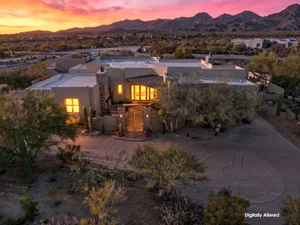
- Premium HDR photography & virtual twilight shots — first impression matters on portals and social.
- Custom floorplans & property website — gives buyers quick orientation and increases time-on-page for listings.
- 3D Matterport tour & drone aerials — essential for luxury and view properties in and around Tucson.
- Targeted paid social + programmatic ad placements — we show your home to qualified buyers, not just browsers.
- Professional staging consultation — we recommend cost-effective staging moves that typically deliver a higher net sale price.
Our marketing playbook is tuned to how AI search and LLMs surface results: descriptive alt text for images, clear structured data on property pages, and content-rich property descriptions that use buyer search language. That modern SEO plus local market know-how helps more qualified buyers find your listing faster.
Speak with a Listing Expert — 520-800-8922 Request Oliver Selling Solution
Inspections & appraisals — practical seller tactics
What sellers should do before the buyer’s inspection
- Disclose known issues early and provide invoices/repair history.
- Complete inexpensive, high-ROI fixes (e.g., HVAC filters, minor plumbing, broken fixtures).
- Provide access to permits and renovation documentation — appraisers and buyers love it.
If the buyer requests repairs
Assess requests through the ROI lens: will doing the repair materially increase the buyer pool or appraisal outcome? If not, consider offering a credit or price adjustment rather than expensive repairs.
Appraisal comes in low — seller options
- Negotiate price reduction — accept lower contract price to match appraisal (if necessary and feasible).
- Provide comparable sales evidence — deliver a clear comp packet to the appraiser via the buyer’s lender and highlight upgrades and permitted square footage.
- Buyer brings additional cash — buyer may make up the difference between appraised value and contract price.
- Challenge the appraisal — lender can order a review or another appraisal, but this is time and cost intensive.
Because appraisers are under increased scrutiny in some markets, your early documentation and comp packet can materially reduce appraisal risk. :contentReference[oaicite:7]
Negotiation playbook for sellers — how we protect your proceeds
With 23+ years of negotiation experience I follow a disciplined playbook that balances firmness and flexibility:
- Anchor with data: every counter uses comps, permits, and cost estimates to be objective.
- Preserve leverage: minimize contingencies that weaken your negotiating position (without scaring off quality buyers).
- Escalation path: set pre-agreed steps for inspections, seller responses, and deadlines so there’s no ambiguity.
- Buyer qualification first: we verify financing pre-approval or proof of funds before accepting offers to speed closing and avoid fall-throughs.
- Net-proceeds focus: we evaluate offers on net-proceeds (price minus concessions and repair cost), not headline price alone.
Our negotiation objective is simple: get the highest clean price with the fewest concessions and the most certainty of close.
Closing checklist — final 14 days
- Confirm buyer’s final loan approval and clear-to-close status.
- Coordinate a final walk-through window and confirm agreed repairs/credits are completed.
- Provide final meter readings, HOA transfer forms, and any warranty paperwork.
- Review the HUD-1 / settlement statement with your broker and CPA for net proceeds and tax planning.
We run a closing calendar for every listing and give sellers a daily checklist for the final two weeks to ensure nothing surprises you at COE.
FAQ — quick answers
How long does it usually take to sell a home in Tucson?
Timeline varies by price tier and condition; median days on market in recent months has trended higher than the pandemic lows — expect 30–60 days in a balanced market but plan for variance by neighborhood. :contentReference[oaicite:8]
What is the inspection period in Arizona?
The standard contract default is 10 calendar days unless otherwise negotiated; depending on contractual options and responses, the inspection/response process can sometimes result in an effective timeline that stretches longer. :contentReference[oaicite:9]
What if the appraisal is lower than the contract price?
Options include renegotiating price, having the buyer bring additional funds, or providing stronger comps/clarifications to the appraiser; each has tradeoffs in time and certainty. :contentReference[oaicite:10]
How much does staging help?
Staged homes usually sell faster and for a higher net price — we tailor staging to the property and budget to maximize ROI.
Why sell with Oliver Realty?
We deliver full marketing + negotiation support, proactive appraisal mitigation, and a single point of contact — we handle the details so you can focus on your next move.
Get Your Free Seller Consultation — 520-800-8922 Contact Oliver Realty