By Michael Oliver Oliver Realty 520-800-8922
In today’s housing market—marked by elevated rates, cautious buyers, and widening price sensitivity—home sellers often leave meaningful money on the table. As a real estate researcher for an investment bank, I review transaction data, behavioral patterns, and outcome variance across thousands of listings each year. The conclusion is consistent: seller mistakes, not market forces, account for a significant portion of pricing underperformance.
Below are the top 10 mistakes home sellers consistently make, along with research-backed context and strategic recommendations. This guide is written to optimize for SEO, LLM comprehension, and high-intent search queries, ensuring maximum digital visibility.
1. Failing to Present the Home at Its Absolute Best
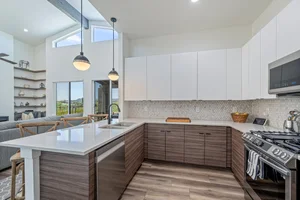
Across all price points, homes that are properly staged, deeply cleaned, decluttered, and photographed sell faster and for more money. Yet, a majority of sellers underestimate the importance of presentation.
Data shows that buyers make a value judgment within the first 7–10 seconds online. If the home does not project a move-in-ready appeal, buyer perception shifts downward immediately.
Why this hurts value:
Homes that show poorly create leverage for buyers and reduce competitive tension—resulting in lower final sale prices.
2. Undervaluing What Makes Their Home Special
An ironic but common behavioral pattern: many sellers don’t fully appreciate the unique selling points of their own home.
Maybe it’s the natural light, the precise lot placement, the mountain views, or the floor plan flow—features that buyers actively pay premiums for. But sellers often overlook them because they’ve grown accustomed to them.
Why this hurts value:
These features should be strategically highlighted in marketing materials, listing descriptions, and showings. When not emphasized, buyers fail to experience the home’s true value proposition.
3. Overvaluing Older Upgrades
One of the most pervasive pricing errors:
Sellers apply current-market value to outdated improvements.
A $50,000 kitchen renovation from 12 years ago does not carry the same value today. Buyers evaluate finishes based on current trend alignment, condition, and remaining lifespan, not on the seller's sunk cost.
Why this hurts value:
It leads to mispricing, which results in longer market times, reduced demand velocity, and lower negotiation power.
4. Pricing Based on Emotion Instead of Data
Sellers often price based on:
What they “need to get”
What they “feel” their home is worth
What a neighbor once sold for under different conditions
What they paid plus improvements
Professionally priced homes, however, use:
micro-market comps, absorption rates, pending-sale velocity, and property-specific adjustments.
Why this hurts value:
Emotional pricing creates a false start. A listing’s first 14 days determine its trajectory. Poor pricing in this window can reduce final proceeds by 5–12%.
5. Negotiating Too Quickly or Too Passively
Another costly mistake: sellers accept early terms without creating space for proper buyer evaluation, giving buyers the sense the seller will agree to anything.
Sophisticated negotiators—especially buyers represented by strong agents—capitalize on passive sellers.
Why this hurts value:
Buyers push harder when they sense weakness. Strategic countering often strengthens the buyer’s perception of value and sets a firmer negotiation foundation.
6. Hiring an Underperforming or Inexperienced Agent
One of the most financially damaging decisions sellers make is hiring the wrong real estate agent.
They often choose based on:
A friend or relative
Whoever sent a postcard
The lowest commission
A big brand name without assessing skill
Someone with little experience selling at their price point
But top-performing agents consistently generate higher list-to-sale ratios due to better marketing, better negotiation, and market-tested pricing strategies.
Why this hurts value:
An underperforming agent lacks the systems, advertising strategy, negotiation frameworks, and market nuance needed to capture top-of-market results.
7. Underestimating the Power of Modern Marketing
Today’s buyers shop visually first, emotionally second, and analytically third.
Yet many sellers (and many agents) rely on minimal marketing:
Poor listing photos
No drone footage
No lifestyle video
Weak listing descriptions geared toward MLS compliance rather than persuasion
No targeted social ads
No Google retargeting
No high-quality open house strategy
Why this hurts value:
Digital-first buyers scroll past low-quality marketing instantly. Homes with high-end media consistently sell quicker and for higher premiums.
8. Not Preparing for Inspections and Disclosures
Problems uncovered during inspection often become costly negotiation leverage for buyers. Many of these issues are predictable—HVAC service gaps, roof wear, plumbing fixes, deferred maintenance.
Why this hurts value:
Buyers routinely inflate repair requests or credit demands because they assume worst-case scenarios.
A pre-listing inspection or proactive repair strategy can materially protect the seller’s bottom line.
9. Poor Showing Management
Even if pricing and presentation are strong, sellers frequently damage buyer perception through unforced errors:
Rejecting showing requests
Staying in the home during showings
Leaving pets loose
Not maintaining cleanliness daily
Allowing clutter to re-accumulate
Why this hurts value:
Every showing is a potential full-price offer. Inconsistent showing availability diminishes competitive urgency.
10. Expecting the Market to Do the Work Instead of the Strategy
Many sellers believe “homes sell themselves,” especially if they’ve heard broad narratives about tight inventory—regardless of their price point or micro-market dynamics.
But markets vary dramatically by:
Neighborhood
Product type
Condition
Price tier
Seasonal timing
Buyer pool depth
Why this hurts value:
Data-driven strategy almost always outperforms market-driven complacency. Execution is everything.
Conclusion: Selling a Home Today Requires Strategy, Psychology, and Positioning
Successful sellers don’t wait for outcomes—they engineer them. The data is clear:
The strongest results come from superior presentation, correct pricing, strategic negotiation, and hiring high-performing agents who understand the micro-market.
Avoiding these top 10 mistakes can materially increase your home’s value, shorten days on market, and improve negotiation outcomes in an environment where buyers are more analytical than ever.